Lebanon and IMF’s Restructuring Plan
10-01-2023
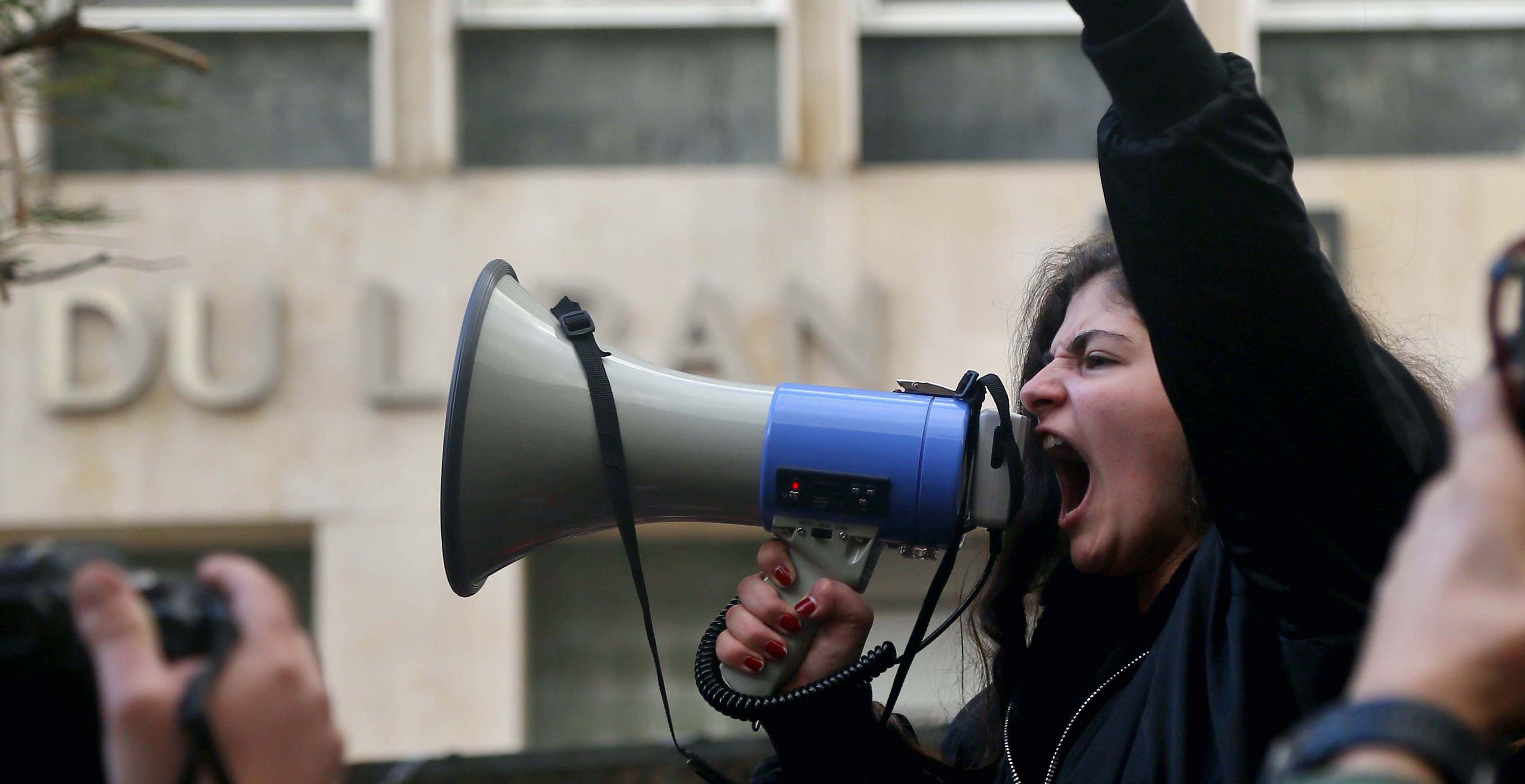
Following a series of protests that Lebanon witnessed starting in 2019, the port explosion in 2020, a global pandemic, and a financial crisis that shook the nation to its core, suffocating ramifications are continuously felt in the daily life of Lebanese citizen.
With unemployment and poverty rates skyrocketing, it is important to recognize that this crisis does not affect all citizens in the same manner, but instead does so disproportionately and exacerbates the conditions of marginalized groups, especially women and girls.
On many layers, education is one factor that has been greatly impacted by the many crises the country is experiencing with 50% of households cutting spending on education in 2021 alone, attaining education, especially for the most marginalized groups is a matter faced with great jeopardy. The Lebanese government’s allocated education funds that are dispersed unequally in favor of the wealthier population exacerbate the injustices present. With the International Monetary Fund’s restructuring plan comes a risk of that amount seeing further cuts.
For that, we have partnered with the Asfari Institute for Civil Society and Citizenship in producing a video under the “Setting an inclusive framework for human security and social justice within the IMF and GoL Restructuring and Reform Plan: Education an equalizer and enabler that seeks to answer questions regarding the adjustment plan between the International Monetary Fund and the Lebanese government and how this restructuring might affect vulnerable populations, namely, women and girls by offering a feminist perspective to the issue and advocating for equity and justice.
This video is part of a larger project that the Asfari institute has launched through a conference in June of 2022 that aims to set an inclusive framework for human security and social justice within the IMF and Lebanese Government while stressing education’s role in serving as an equalizer and enabler.
Through this project, the aim is to strike a nationwide dialogue that would ensure constructive and evidence-based action plans would be put forth with inclusivity in mind targeting minority populations, especially women and girls. During the course of this campaign, we have also collaboratively produced visualized data images and a report that aims to influence the recovery plan through an inclusive framework that takes aims to hinder any further straining on vulnerable groups.
The posted content was able to reach different audiences with different backgrounds, age ranges, and interests and thus has been able to ensure public awareness of the subject matter and instill sensitive intersectionality in policy maker’s approach to the financial restructuring taking place.